The Role of AI in Sustainable and Eco-Friendly Interior Design
Sustainability is no longer an option—it’s a necessity in modern interior design. Homeowners and designers are increasingly seeking eco-friendly solutions that minimize environmental impact while maximizing style, comfort, and functionality. AI-powered tools, such as those offered by IDF (Interior Designing Firm), are transforming the way sustainable design is approached, enabling smarter, data-driven decisions that balance aesthetics and ecology.
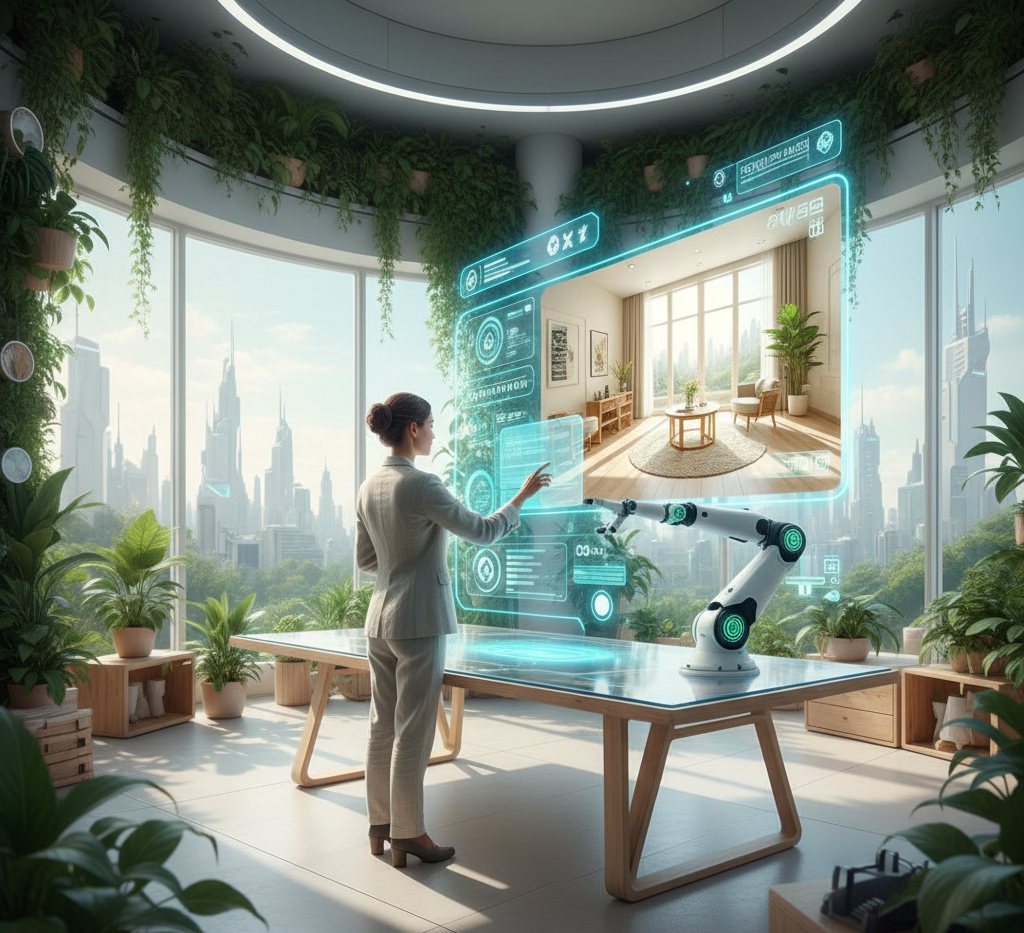
One of the key areas where AI contributes to eco-friendly design is energy optimization. AI can analyze natural light patterns, room orientation, and climate data to recommend energy-efficient lighting, heating, and cooling solutions. By strategically placing windows, selecting proper insulation, and choosing sustainable materials, AI helps reduce energy consumption while creating comfortable, well-lit spaces.
Homeowners can also use AI to monitor energy usage in real-time, adjusting designs and appliances for maximum efficiency.
Selecting eco-friendly materials is vital for green interior design. AI algorithms can evaluate furniture, flooring, fabrics, and paint options based on sustainability, durability, and carbon footprint. IDF’s AI tools suggest materials that are recyclable, low in VOCs (volatile organic compounds), and ethically sourced. This ensures that every design choice contributes to a healthier environment.
Waste reduction is another crucial benefit of AI in interior design. By generating accurate 3D models and layout simulations, AI allows designers to plan every element precisely, minimizing excess material use. Whether it’s furniture placement, flooring cuts, or wall treatments, AI ensures that resources are used efficiently, reducing construction and renovation waste.
AI can forecast the long-term performance of design elements, including lighting, materials, and HVAC systems. This predictive analysis allows homeowners to invest in sustainable solutions that last longer, perform better, and reduce maintenance costs. By anticipating wear and energy usage, AI helps create homes that are both environmentally responsible and cost-effective.
Smart home technology complements sustainable interior design. AI can integrate lighting, climate control, and energy monitoring systems to optimize usage automatically. For example, AI can dim lights when rooms are unoccupied, adjust temperatures based on occupancy, and suggest energy-efficient appliance usage. This reduces energy consumption while maintaining comfort and convenience.
Every home is unique, and AI recognizes this by providing personalized recommendations. By analyzing user preferences, lifestyle habits, and room dimensions, AI generates sustainable design options tailored to individual needs. Homeowners can explore eco-friendly layouts, furniture arrangements, and materials that reflect their style while promoting environmental responsibility.
Eco-Friendly Choices:
Guides homeowners to select sustainable materials and energy-efficient systems.Cost Savings:
Reduces energy bills and material waste with optimized layouts and predictive modeling.Enhanced Comfort:
AI considers natural light, temperature, and ergonomics to improve livability.Data-Driven Decisions:
Provides actionable insights for environmentally responsible design.Trend Awareness:
Incorporates modern sustainable design trends without sacrificing personalization.Scalable Solutions:
Suitable for single rooms, entire homes, or commercial spaces.
AI is revolutionizing sustainable interior design by combining efficiency, personalization, and environmental responsibility. IDF’s AI-powered tools enable homeowners and designers to create eco-friendly spaces that are stylish, functional, and energy-efficient. From material selection to smart integration and layout optimization, AI ensures that every design decision contributes to a greener, more sustainable future.
Embrace AI in your interior design journey and transform your home into a modern, eco-conscious space that reflects your taste while respecting the planet.