How AI is Revolutionizing the Interior Design Industry
The interior design industry is undergoing a technological revolution, and Artificial Intelligence (AI) is playing a leading role in this transformation. At IDF (Interior Designing Firm), we believe that the future of design is intelligent, data-driven, and deeply personal. AI is not replacing the designer’s creativity — it’s amplifying it. From idea generation to space planning, AI is helping designers make faster, smarter, and more sustainable decisions that redefine how spaces are created and experienced.
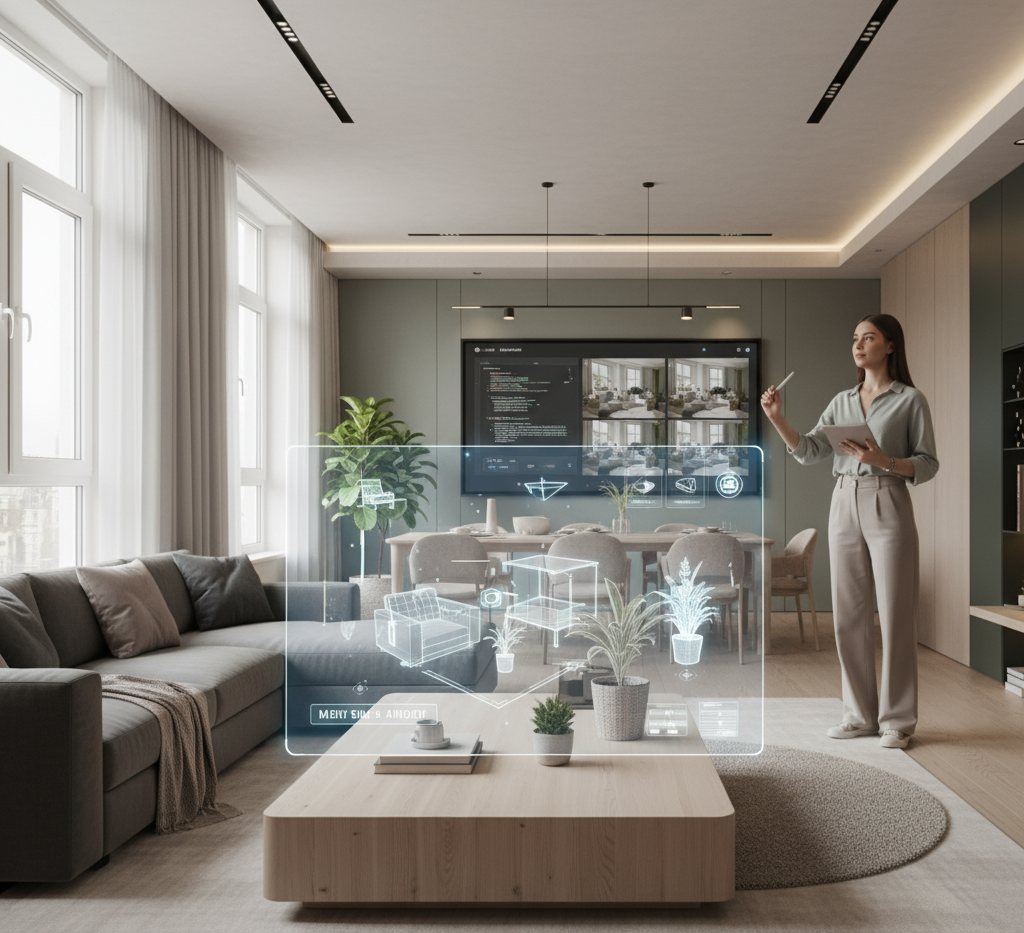
Artificial Intelligence integrates advanced algorithms, machine learning, and data analytics into the creative process. It interprets human preferences, lifestyle habits, and architectural data to offer unique design recommendations. Whether it’s optimizing a room layout or generating realistic 3D visualizations, AI enables designers to push the boundaries of creativity and precision. At IDF, we use these intelligent tools to bridge the gap between imagination and implementation.
-
Smart Space Planning:
AI tools analyze room dimensions, lighting conditions, and user behavior to suggest optimized layouts. Designers can instantly visualize different arrangements, improving space utilization without compromising on aesthetics. -
Personalized Design Recommendations:
AI systems learn from a client’s preferences — such as color choices, décor styles, and functionality needs — to create personalized designs that reflect their unique identity. -
Real-Time Visualization:
Advanced rendering engines use AI to generate high-quality 3D and AR (Augmented Reality) previews. Clients can virtually walk through their future homes or offices and suggest edits before construction begins. -
Automation in Material Selection:
AI-powered software recommends materials based on sustainability, durability, cost-effectiveness, and design compatibility — reducing manual research time and errors. -
Predictive Design Trends:
By analyzing global design databases, AI can forecast trends in color schemes, furniture design, and décor elements. Designers can then stay ahead of the curve and deliver modern, trend-aligned interiors. -
Enhanced Collaboration:
AI platforms support teamwork by connecting designers, clients, and vendors on a single digital interface. This ensures seamless communication and project transparency at every stage.
-
Enhanced Creativity:
AI assists designers by handling complex calculations and repetitive tasks. This allows professionals to dedicate more time to innovation, artistry, and creating emotionally engaging spaces. -
Increased Efficiency and Speed:
Time-consuming tasks like layout adjustments, mood board generation, or lighting simulations can be automated, drastically reducing project timelines. -
Data-Driven Accuracy:
AI ensures design precision by using real data to optimize lighting, airflow, and furniture placement, making interiors more comfortable and functional. -
Sustainability and Cost Optimization:
Smart algorithms identify eco-friendly materials and energy-efficient design solutions, promoting sustainability while cutting unnecessary expenses. -
Improved Client Experience:
Clients can interact with AI-based design tools to explore ideas, adjust concepts in real-time, and make informed decisions — resulting in higher satisfaction and trust.
A variety of AI-driven design software solutions are transforming the industry. From smart rendering platforms to décor recommendation systems, these tools combine data with creativity to produce results that were once unimaginable. AI-based design assistants can even generate multiple concepts within seconds, saving valuable time and effort. At IDF, we integrate such tools into our workflow to provide clients with design experiences that are interactive, efficient, and visually inspiring.
Some popular AI technologies include space optimization programs, furniture recommendation engines, and predictive visualization tools. These innovations are redefining how designers conceptualize, plan, and execute projects in residential, commercial, and hospitality sectors.
As technology advances, the relationship between designers and AI will only grow stronger. The next generation of design platforms will feature intelligent automation, emotion-based design modeling, and real-time feedback systems. The fusion of human intuition and machine intelligence will result in designs that not only look beautiful but also respond to human emotions and environmental needs.
At IDF (Interior Designing Firm), we are committed to embracing innovation while keeping creativity at the heart of every project. Our vision is to make AI a natural part of the design process — helping us deliver interiors that are smart, sustainable, and deeply personal.
AI is revolutionizing the way we design, plan, and visualize interiors. It enables designers to create spaces that are more responsive, efficient, and emotionally engaging. The combination of human artistry and AI intelligence is redefining the boundaries of modern design. As pioneers in this digital era, IDF continues to explore the limitless potential of technology to transform spaces into reflections of innovation and individuality.