The Future of Interior Design: AI-Powered Tools to Transform Your Space
Interior design is evolving at an unprecedented pace, thanks to Artificial Intelligence (AI). Traditional design processes that once relied on manual drafting, physical mockups, and repeated client revisions are now being streamlined by AI-powered tools. At IDF (Interior Designing Firm), our mission is to leverage AI technology to help designers, architects, and homeowners create visually stunning, functional, and personalized spaces with unprecedented efficiency.
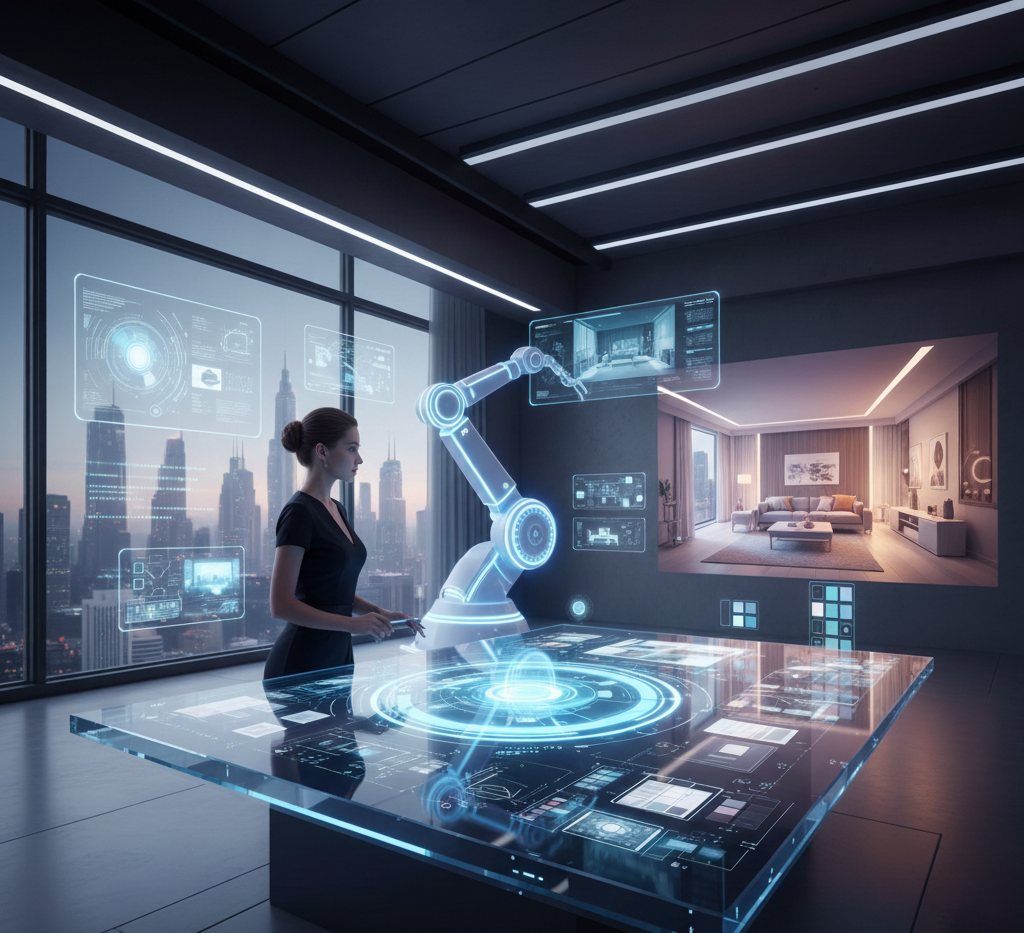
Space planning has traditionally been one of the most time-consuming aspects of interior design. AI changes this by analyzing room dimensions, architectural features, and furniture specifications to suggest optimized layouts. Designers can quickly evaluate multiple configurations, considering factors such as traffic flow, ergonomics, and spatial harmony.
Advanced AI tools can also simulate lighting effects, natural sunlight patterns, and even seasonal variations, helping designers make data-driven decisions. This reduces costly errors and ensures that each design maximizes both functionality and aesthetic appeal.
AI excels at personalization. By analyzing client preferences, lifestyle patterns, and inspiration boards, AI can suggest furniture, colors, textures, and décor that match the client’s taste. Designers no longer need to spend hours trialing different combinations; instead, they can use AI recommendations as a starting point and fine-tune the details.
This capability is particularly useful for homeowners and DIY enthusiasts who want a professional-level design without hiring full-time staff. AI ensures that personal style is reflected throughout the design while maintaining functionality and balance.
Creating photorealistic 3D renders can be a labor-intensive and costly process. AI tools now allow designers to convert sketches, floor plans, or 2D designs into fully interactive 3D environments in minutes. Clients can virtually “walk through” their spaces before any physical work begins, making it easier to visualize final outcomes and approve designs.
Real-time rendering not only speeds up decision-making but also reduces misunderstandings between clients and designers. The immersive experience builds confidence in the design and fosters stronger client relationships.
Choosing the right materials, finishes, and furnishings can be overwhelming. AI tools analyze style requirements, budget limits, and functional needs to recommend the most suitable options. For example, AI can suggest durable, eco-friendly flooring, space-saving furniture, or energy-efficient lighting solutions that match the design vision.
By automating material selection, designers save time and minimize errors while delivering a cohesive and professional final product. AI also allows quick experimentation with different materials or color palettes without redoing the entire layout.
AI-powered project management tools improve collaboration between designers, clients, contractors, and vendors. Automated task tracking, deadline reminders, and progress updates ensure that every stakeholder stays informed. Cloud-based platforms allow team members to share documents, renderings, and revisions in real-time, reducing delays and miscommunication.
This collaborative approach not only improves efficiency but also ensures accountability and smooth project execution from concept to completion.
AI also plays a crucial role in promoting sustainability. By analyzing energy usage, natural lighting, and material life cycles, AI tools can suggest eco-friendly design solutions. Designers can select low-impact materials, optimize room orientation, and implement energy-efficient lighting to reduce environmental footprints.
Incorporating sustainable design not only benefits the planet but also enhances long-term savings for clients, making eco-conscious interiors more accessible and practical.
Time Efficiency:
Automate tasks like layout planning, furniture arrangement, and rendering to save hours of manual work.Cost Savings:
Optimize material selection, reduce revisions, and prevent mistakes, lowering overall project costs.Enhanced Creativity:
Explore diverse design styles, innovative layouts, and AI-generated recommendations to expand creative possibilities.Accuracy and Precision:
Ensure perfect measurements, realistic visuals, and error-free layouts for professional outcomes.Client Satisfaction:
Faster delivery, visual previews, and personalized designs improve client experience and trust.Sustainability:
Eco-friendly design suggestions and energy-efficient solutions contribute to responsible and future-ready interiors.
The future of interior design is undeniably intertwined with Artificial Intelligence. AI tools empower designers to create more efficient, personalized, and sustainable spaces while delivering better client experiences. At IDF, we integrate AI to streamline workflows, inspire creativity, and bring ideas to life faster and more effectively than ever before.
Whether you're a professional designer or a homeowner looking to revamp your space, AI-powered interior design tools provide unmatched opportunities to plan, visualize, and execute your dream interiors. Embrace AI today and see how IDF’s innovative solutions can transform your design process from concept to completion.